Forum Replies Created
-
AuthorPosts
-
Seafood is one of the most nutritious categories of food. Children may be unaware that it is also shellfish and not just the fish they eat in batter. Seafood provides our bodies with essential nutrients such as protein, omega-3 fatty acids, vitamins, and minerals. Older children are familiar with these concepts and recognize the significant focus on protein in the sports world for growth, repair, and strength. Our Brainfood with these nutrients contribute to keeping our brains, hearts, and bodies robust and healthy. Omega-3 fatty acids are frequently mentioned in discussions about nutrition. Children will find it fascinating to learn that these fats benefit the brain and heart, aiding in better learning, memory retention, and concentration in school. Families take Omega supplements, which can increase children’s awareness of these nutrients. In class, we can talk about the food pyramid, examining where seafood is positioned and its significance. Students could create a seafood menu and conduct a survey throughout the school and wider community.
I agree with the curiosity and nutritional benefits of aquaculture through the ARC. The closest some children get to fish is the cold counter in Dunnes and it’s probably a food they don’t think about at all. Once exposed to the videos, activities and maybe even a visit from the arc would introduce them to ideas about future careers etc.
The materials available in the ARC resources and lesson plans present an excellent chance to incorporate local environmental issues into STEM education. The ARC resources create a context that is particularly pertinent for Irish students, enabling them to engage in STEM activities related to marine ecosystems, sustainability, food production, and climate challenges.
The lessons from ARC emphasise inquiry-based and project-based learning, which is a fundamental aspect of effective STEM education. Students have the opportunity to explore how fish farms function, how water quality is assessed, or how technology aids sustainability in aquaculture.
ARC aligns with the STEM Education Policy Statement by providing accessible and engaging content that addresses real-world environmental issues, promoting collaborative group efforts (such as data collection projects) and offering material that reflects Ireland’s distinctive marine environment, fostering relevance and local connections. In SSE, it can establish a cross-curricular STEM theme, enable whole-school CPD sessions utilising ARC content, and incorporate student feedback and examples of student work from ARC-related activities as evidence for SSE purposes.
I agree to programmes such as Nationwide and others have really placed areas like kilmackelogue in lauragh kerrry on the map. Tourism has increased and created jobs stemming from aquaculture.
Aquaculture in Ireland is mainly situated along the Western Atlantic coastline, in bays, inlets, and along the shore, creating optimal conditions for both shellfish and fish farms concentrated in the these regions. The geographical characteristics of these areas make aquaculture the leading form of agriculture.
Aquaculture directly and indirectly benefits local coastal communities. It opens up a range of career opportunities, including roles for commercial divers to carry out underwater assessments in marine protected zones. It also provides job prospects in commercial fishing, passenger boat operation, as well as skippers and fishing vessel maintenance.
The aquaculture sector offers direct job opportunities in rural coastal regions, with some communities significantly depending on aquaculture for employment, particularly where other economic options may be scarce.
I love the idea of bringing the ARC to the classroom. Kids look at fish being part of a Friday takeaway and not something tangible. Very few children actually fish for crabs or even go fishing. Goes with being landlocked. We were in school in Wexford and our principal took us on a fieldtrip to the oyster beds in Waterford. Still resonates to this day. We didn’t realise the employment opportunities it created until then. Something I would like my students to experience too.
Module 1
The tools presented in this initial module are a fantastic resource for kids. The videos are brief and engaging, which is crucial for maintaining the attention of young learners. The quizzes linked to each video can be completed as group or pair work on their tablets during class. One good quiz involves interviewing a family member at home about their seafood consumption. This activity can also be enjoyable and intriguing while introducing individuals outside of school to the subject. Understanding Aquaculture and Social License is essential. We don’t consume enough seafood here. Maybe we should bring back “Fish on Fridays” in our grad parents days. By exploring Aquaculture, children will gain greater awareness of the resources available in Ireland, and by encouraging discussions about seafood at home this might influence their families as well. The ARC appears to be a remarkable resource for students. Definitely one to consider for the future.
Rockets
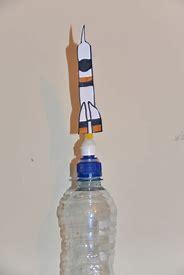
The children will learn how to rockets work and use different materials to create and launch. They will begin by discussing what rockets are and have they ever seen one. Then they will view the video below.
Activities will be based on the following:
The squeezy Bottle Rocket:
the children will work in groups and create their rockets. They will learn how the air in the bottle creates a force when squeezed and the rocket is launched. With older classes you can experiment with the angle of how the bottle is held affects the launch of the rocket
The Cardboard Rocket

The children will create rocket using different types of cardboard tubes light and heavy, experimenting how to make the rocket go faster along a string.
Water Rocket

With older children this outside experiment will show how the strength of the water coming from the hose will affect how hight the rocket will fly. Great one to use but be prepared for many soaked bodies.
All children will work at these station in turn where the will use assigned materials and using team work and skills already learned they will design, create and launch their rockets.
Each group will record their results and have a class discussion afterwards on what worked well and what could be improved.
Amazing amount of activities here. I will definitely use from this list particularly the space passport
Rockets
The children will learn how to rockets work and use different materials to create and launch. They will begin by discussing what rockets are and have they ever seen one. Then they will view the video below.
Activities will be based on the following:
The squeezy Bottle Rocket:
the children will work in groups and create their rockets. They will learn how the air in the bottle creates a force when squeezed and the rocket is launched. With older classes you can experiment with the angle of how the bottle is held affects the launch of the rocket
The Paper Rocket
The children will create rocket using different types of cardboard tubes light and heavy, experimenting how to make the rocket go faster along a string.
Water Rocket
With older children this outside experiment will show how the strength of the water coming from the hose will affect how hight the rocket will fly. Great one to use but be prepared for many soaked bodies.
All children will work at these station in turn where the will use assigned materials and using team work and skills already learned they will design, create and launch their rockets.
Each group will record their results and have a class discussion afterwards on what worked well and what could be improved.
Great idea of dressing the teddies with clothes suitable for the season they have been given. this is one I will be using next term
Online resources and tools
I would introduce the children to the night sky, focusing on stars, constellations, and planets using the Stellarium online tool. Starting first with a simple question: “Who has looked up at the night sky and seen stars?”,then show large images or a short video of the night sky to capture their attention. Explain that the night sky is full of stars and other interesting things we can see. Follow with the picture book about stars and constellations, such as “How to Catch a Star” by Oliver Jeffers. Have a short discussion on the story briefly, focusing on what stars are and how they form patterns called constellations
Continue with the explanation of what the Stellarium tool can do: helps us look at the night sky on the computer. Then we would set our location and click on some bright stars and constellations, looking at their names and shapes, like the Big Dipper or Orion.We would then finish with an activity Create Your Own Constellation, where the children design their own with black paper and stars.
I love the idea of making a martian. Children are always curious about life on other planets and these can be great creative ideas for drama and writing
Activity :Space and Aliens
There are some elements of the Space and Aliens set that I would use with a combination of other ideas
I would Introduce the children to the concept of life in space, focusing on astronauts, space habitats, and what living in space is like through engaging and age-appropriate activities. Starting with a simple question: “Who knows what an astronaut is?” and Can you name an astronaut? These will somehow always involve Buzz Lightyear.
We would then look at images or a short video of astronauts working in space to capture their attention and explain that astronauts are people who travel and live in space to learn more about it. The children would be introduced to Chris Hadfield videos like the one below
This would give them an insight into life in space. The children would engage in activities based on videos from Chris Hadfield eg create your own astronaut using pictures of items needed in space.
The Planets activity
I would start with a story on Aliens and see if the children could name a few planets. I would then introduce : ‘The Plants Song’. There are many cross curricular links for this theme, art, oral language, drama etc,
The children would engage in planet quiz using picture cards to guess which planet comes next throughout the song. They would learn about the planet through online apps and select pictures from a picture bank to collect information on their planet. Each group would have a planet (cutout or card) and arrange the planets in the correct order from the sun (Mercury, Venus, Earth, Mars, Jupiter, Saturn, Uranus, Neptune) after the duration of the lessons, only when familiar with the song.
There is a nice book called “There’s No Place Like Space: All About Our Solar System” which could be read and discussed. The children could select a planet in groups and with the help of teacher and other available staff construct their planet using paper mache, over time. This would give them a sense of how the planet really looks.
-
AuthorPosts